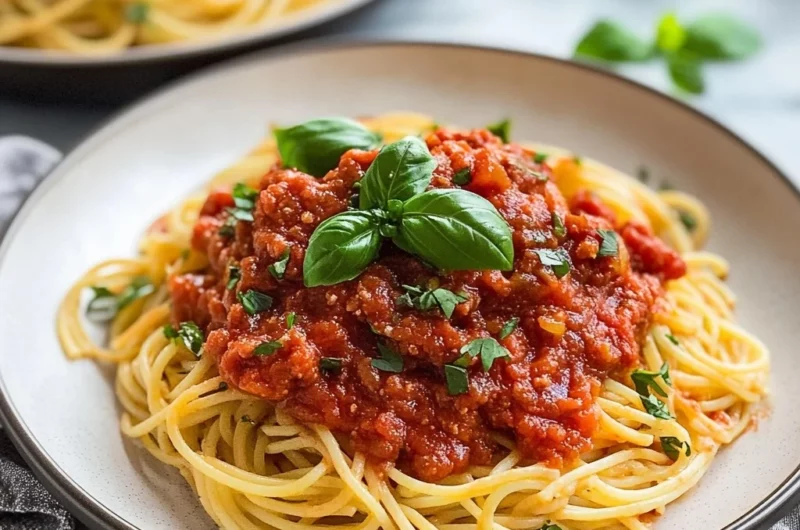
The aroma of simmering tomatoes and fragrant herbs wafts through the air, instantly transporting you to a cozy Italian kitchen. This spaghetti sauce is not just a meal; it’s an experience that dances on your taste buds, bursting with rich flavors and delightful textures that make every bite a celebration of comfort food.
As I recall family gatherings filled with laughter over heaping plates of pasta, this spaghetti sauce always took center stage, turning ordinary nights into cherished memories. Perfect for cozy dinners or festive occasions, each spoonful promises a tantalizing journey through flavor that leaves everyone craving more.
Why Does Everyone Love spaghetti sauce?
Rich flavors from sautéed onions and garlic create a mouthwatering base that makes every bite unforgettable. Simple ingredients like crushed tomatoes and tomato paste ensure you can whip up this sauce in just 30 minutes! Versatile enough to pair with any pasta or serve as a pizza topping, it’s bound to please everyone at the table. A hint of sweetness from sugar balances acidity, while herbs like oregano and basil elevate your dish to restaurant-quality. Plus, the option for red pepper flakes means you can customize the heat to match your family’s taste!
spaghetti sauce Ingredients
For the Sauce
- 2 tablespoons Olive oil – This rich oil is perfect for sautéing and adds depth to your spaghetti sauce.
- 1 medium Onion (Chopped) – Chopping onions releases their natural sweetness, enhancing the flavor of your sauce.
- 3 cloves Garlic (Minced) – Fresh garlic brings a robust aroma and taste that complements the tomatoes beautifully.
- 1 can Crushed tomatoes (28 oz can) – The base of your sauce, providing a rich and tangy flavor profile.
- 2 tablespoons Tomato paste – This concentrated form of tomato intensifies the overall flavor and color of your sauce.
- 1 teaspoon Sugar – Balances the acidity of the tomatoes for a smoother taste in your spaghetti sauce.
Herbs and Spices:
- 1 teaspoon Dried oregano – Adds an earthy aroma, essential for authentic Italian flavor in your spaghetti sauce.
- 1 teaspoon Dried basil – This herb lends a sweet, peppery flavor that enhances the overall dish.
- 1 teaspoon Salt – A crucial ingredient for bringing all the flavors together; adjust to taste.
- 1/2 teaspoon Black pepper (Freshly ground) – Freshly ground black pepper adds a hint of heat and complexity.
- 1 bay leaf – Infuses a subtle depth to the sauce; remember to remove it before serving.
Optional Ingredients:
- 1 teaspoon Red pepper flakes – If you like a little kick, these flakes add heat to your sauce without overwhelming it.
- 1 cup Fresh basil (Chopped) – Use as a garnish for a burst of fresh flavor and vibrant color on top of your spaghetti sauce.
How to Make spaghetti sauce
1. Heat olive oil in a large pot over medium heat. Add the chopped onion and sauté until translucent, about 5 minutes. This step creates a fragrant base for your sauce.
2. Add minced garlic and cook for another minute until fragrant. You’ll know it’s ready when the aroma fills your kitchen, making everyone eager for dinner.
3. Stir in crushed tomatoes, tomato paste, and sugar. Mix well to combine all the ingredients, creating a rich and flavorful foundation for your sauce.
4. Incorporate oregano, basil, salt, black pepper, and bay leaf. Bring to a simmer—watch as the colors deepen and the flavors meld beautifully.
5. Reduce heat to low and let the sauce simmer for about 30 minutes, stirring occasionally. The longer it simmers, the more robust the flavor will become.
6. If using, stir in red pepper flakes for heat. This optional step adds warmth and complexity for those who enjoy a little kick!
7. Remove bay leaf before serving. Garnish with fresh basil if desired to add a pop of color and freshness right before enjoying your delicious creation.
Optional: For an extra touch, sprinkle with grated Parmesan cheese before serving.
Exact quantities are listed in the recipe card below.
Expert Tips
- Oil Temperature: Start with medium heat to avoid burning the olive oil, which can give your spaghetti sauce a bitter taste.
- Onion Care: Sauté onions until translucent; overcooking them can lead to an unpleasant texture in your sauce.
- Garlic Timing: Add garlic just before the tomatoes to prevent it from burning, ensuring a fragrant and flavorful base for your spaghetti sauce.
- Sugar Balance: Use sugar sparingly to counteract the acidity of tomatoes; too much can make your sauce overly sweet.
- Herb Freshness: Opt for dried herbs if fresh isn’t available, but adjust quantities since dried herbs are more concentrated in flavor.
- Red Pepper Heat: If adding red pepper flakes, start small and increase to taste. Too much can overpower the other flavors in your spaghetti sauce.
How to Store and Freeze spaghetti sauce

- Fridge: Store your homemade spaghetti sauce in an airtight container for up to 5 days. Allow it to cool before sealing for best results.
- Freezer: For longer storage, freeze the sauce in freezer-safe containers for up to 3 months. Leave some space at the top as it will expand when frozen.
- Reheating: Thaw overnight in the fridge before reheating. Warm up on the stovetop over low heat, stirring occasionally, until heated through.
- Fresh Ingredients: If you’ve added fresh basil or other perishables, use within 2 days to maintain flavor and freshness.
spaghetti sauce Your Way
Feel free to let your creativity shine as you customize this delightful sauce to suit your taste buds!
- Vegetarian: Swap in your favorite sautéed veggies like bell peppers or mushrooms for a heartier texture and flavor.
Adding vegetables not only enhances the nutritional value but also brings a lovely depth to your dish. Just be sure to sauté them until tender before adding the crushed tomatoes.
- Meaty: Incorporate ground beef, turkey, or sausage for a robust, savory sauce that’s perfect for meat lovers.
Brown the meat in the olive oil before adding the onions and garlic for an extra layer of flavor. This hearty twist will transform your spaghetti into a filling feast!
- Herb-Infused: Experiment with fresh herbs like thyme or rosemary instead of dried options for an aromatic twist.
Fresh herbs can elevate your sauce, offering vibrant flavors that dried herbs may not achieve. Simply add them towards the end of cooking for a burst of freshness.
- Sweet & Spicy: Toss in diced bell peppers along with red pepper flakes for a sweet heat that tantalizes the palate.
The combination of sweetness from the peppers and heat from the flakes creates a delightful contrast that makes each bite exciting. Adjust the amount of red pepper flakes based on your spice tolerance!
- Creamy: Stir in a splash of heavy cream or a dollop of ricotta cheese at the end for a rich, velvety finish.
Creaminess perfectly balances the acidity of tomatoes, transforming your spaghetti sauce into something luxurious. It’s especially comforting on chilly evenings!
- Umami Boost: Add soy sauce or Worcestershire sauce to enhance depth and complexity in flavor.
Just a teaspoon can work wonders, adding an unexpected richness that complements the other ingredients beautifully. Be cautious with salt if you choose this option!
- Smoky: Incorporate smoked paprika for an intriguing smoky note that adds another dimension to your sauce.
This simple addition can evoke memories of cozy campfire meals while enriching every spoonful. A little goes a long way, so start with half a teaspoon!
Make Ahead Options
This rich and flavorful spaghetti sauce is perfect for meal prep, allowing you to enjoy homemade goodness on busy weeknights. To get a head start, you can chop the onion and mince the garlic up to 24 hours in advance, storing them in an airtight container in the refrigerator. The base ingredients, including the crushed tomatoes and tomato paste, can be combined ahead of time; simply follow steps 1 through 3 of cooking the sauce and then refrigerate for up to 3 days. When you’re ready to serve, just heat it up on medium-low, add your herbs and spices, and let it simmer for about 30 minutes. This not only saves time but also enhances the flavors of your spaghetti sauce as it sits!
spaghetti sauce Questions Answered
What type of olive oil is best for making spaghetti sauce?
Extra virgin olive oil is ideal for this sauce, as it brings a rich flavor to the dish. However, if you prefer a milder taste, you can use regular olive oil or even avocado oil.
How can I make my spaghetti sauce less acidic?
If your sauce tastes too acidic, adding sugar is a great way to balance it out. Just one teaspoon, as noted in the recipe, should help mellow the flavor. Alternatively, you could add a pinch of baking soda, which neutralizes acidity.
Can I store leftover spaghetti sauce?
Absolutely! This homemade spaghetti sauce can be stored in an airtight container in the fridge for up to 5 days. Just let it cool completely before transferring it. If you want to keep it longer, consider freezing it!
How do I freeze spaghetti sauce properly?
To freeze your sauce, allow it to cool completely and then transfer it into freezer-safe containers or bags. Make sure to leave some space at the top since the sauce will expand as it freezes. It can be stored this way for up to 3 months.
What if my spaghetti sauce is too thick?
If you find that your sauce has become too thick during simmering, don’t worry! Simply stir in a little water or vegetable broth until you reach your desired consistency. This will help maintain the flavor while adjusting the texture.
How many servings does this spaghetti sauce yield?
This recipe yields approximately 4 servings, perfect for a cozy family dinner or a small gathering. Each serving contains about 150 calories, making it a flavorful yet balanced option for your meal planning!